
Successful cat boarding depends on choosing a safe, clean facility with attentive staff and accommodations that reduce stress. Preparing cats by gradually acclimating them to their carrier and maintaining familiar routines before arrival helps minimize anxiety. Owners should pack familiar foods, toys, and bedding, while clearly communicating care instructions to staff. Environmental enrichment and calming aids can ease adjustment. For a thorough approach to ensuring a calm and comfortable stay, exploring detailed preparation and care strategies is beneficial.

Choosing the Best Boarding Facility for Your Cat
When selecting a boarding facility for a cat, several critical factors must be considered to guarantee the animal’s well-being and comfort.
The environment should be safe, clean, and spacious enough to allow natural movement and exploration. Facilities offering private or semi-private accommodations help reduce stress by limiting exposure to other animals.
Staff qualifications and their ability to handle cats gently and attentively are essential pet universe starlux, ensuring prompt responses to any health or behavioral issues.
The boarding location’s policies on feeding, exercise, and medical care must align with the cat owner’s preferences, providing freedom in routine maintenance.
Finally, checking reviews and visiting the facility beforehand offers insight into the quality of care, helping owners choose a place that respects the cat’s need for comfort and autonomy during the stay.
Preparing Your Cat: Tips for a Stress-Free Boarding Stay
Easing a cat into a boarding stay requires thoughtful preparation to minimize anxiety and promote comfort.
Gradually acclimating the cat to its carrier encourages voluntary entry and reduces stress on arrival.
Maintaining a familiar routine before departure helps preserve the cat’s sense of normalcy.
Providing brief, positive experiences away from home, such as short outings in the carrier, can build confidence.
Ensuring the cat is healthy and up to date on vaccinations supports a safe environment.
Communicating specific behavioral and medical needs to the boarding staff fosters attentive care.
Avoiding sudden changes and offering reassurance before leaving contributes to a smoother adjustment.
These steps collectively support a stress-free boarding experience, allowing the cat to remain calm and adaptable while away from its usual surroundings.
Packing What Your Cat Needs for Boarding
A well-prepared packing list guarantees that a cat’s essential needs are met during a boarding stay.
Important items include the cat’s regular food and treats to maintain dietary consistency and avoid digestive issues. Fresh water bowls, familiar toys, and bedding can provide comfort and a sense of security in an unfamiliar environment.
Including any medications, detailed instructions, and contact information ensures proper care. A favorite blanket or item with the owner’s scent can help ease adjustments.
Packing a sturdy carrier that is clean and well-ventilated facilitates safe transport. Being thorough yet minimal respects the boarding facility’s space and rules, allowing the cat to experience care without unnecessary constraints.
This preparation promotes a smoother, freer boarding experience for the cat.
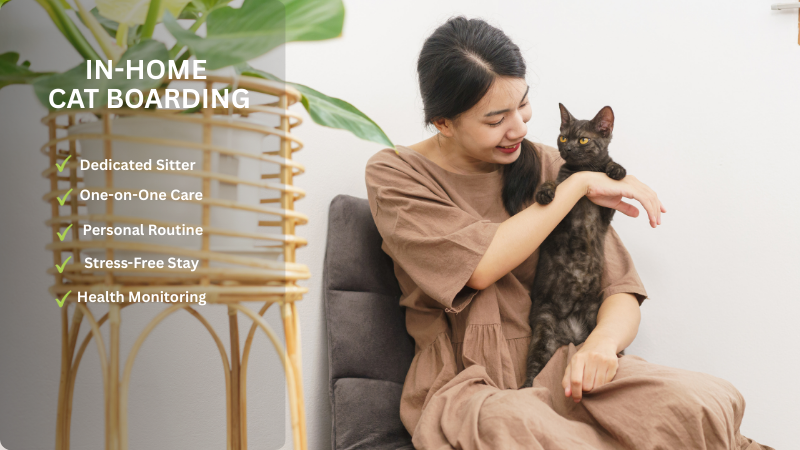
Helping Your Cat Adjust to Boarding and Reduce Anxiety
Proper preparation with familiar items can markedly influence a cat’s comfort during boarding, but adjusting to a new environment often remains challenging.
To ease this shift, gradual acclimation is effective—introducing the cat to its carrier or bedding ahead of time fosters familiarity. Maintaining a consistent feeding schedule and providing favorite toys can further reduce stress.
Environmental enrichment, such as safe hiding spots and perches, offers refuge and control, essential for anxious cats. Minimizing loud noises and sudden changes in routine also supports calmness.
Additionally, pheromone diffusers designed to mimic natural calming scents may help lower anxiety. These measures collectively promote a smoother adjustment, allowing the cat to preserve its sense of autonomy while adapting to temporary surroundings with less distress.
Communicating Effectively With Boarding Staff
When entrusting a cat to a boarding facility, clear and detailed communication with the staff is essential to guarantee the animal’s needs are fully understood and met.
Owners should provide thorough information about the cat’s feeding schedule, medication requirements, behavioral traits, and any special preferences.
Sharing insights into the cat’s personality, such as favorite toys or calming techniques, can help staff create a more comfortable environment.
Open dialogue also allows owners to express concerns and establish expectations for updates during the stay.
Encouraging staff to ask questions makes certain no detail is overlooked.
Ultimately, effective communication empowers both parties, fostering trust and enabling the cat to experience freedom within a secure, attentive setting.
This clarity supports a smoother boarding experience and promotes the cat’s well-being.
Conclusion
Selecting a suitable boarding facility and preparing a cat thoughtfully are essential for a smooth changeover. Providing familiar items and clear communication with staff further supports the cat’s comfort and well-being. These combined efforts help minimize anxiety, ensuring the cat feels secure and cared for during the stay. Ultimately, a well-planned approach promotes a positive boarding experience, benefiting both the cat and its owner.